
What you need to know.
Teething can be an uncomfortable time for both, you and the baby! The experience varies from child to child however the more you know the more prepared you can be so we have in this article answered questions that parents ask concerning teething such as “When Do Children Start Teething?”, “What To Expect With Teething”, “How to Help With Teething” and “When To Start Looking After a Child’s Teeth?” Hopefully, this will cover all your concerns about teething, if not, just contact us at Dentistry on Coolum.
When Do Children Start Teething?
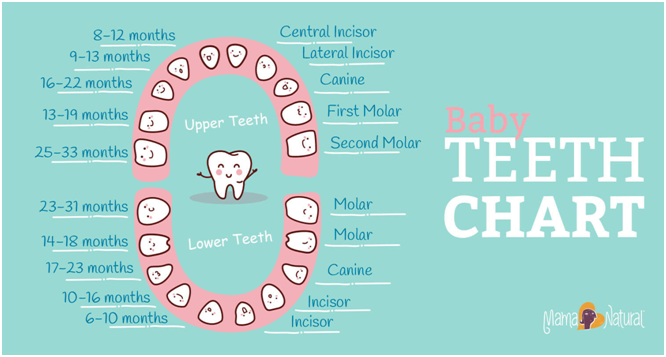
On average, babies are born and their first teeth usually begin to emerge around 6 months of age. Do not be alarmed if your child starts teething a little sooner or later. Variation is normal. In premature babies, tooth eruption may be delayed.
Teeth normally erupt in pairs. The first to come through are the lower middle teeth, among the bottom front teeth, at around 6 months. A couple of months later, the upper middle teeth appear. Then the upper and lower lateral incisors begin to emerge about two months after that.
The first baby molars usually emerge between 12 and 14 months. These teeth are larger and can cause increased discomfort as they push through the gums. Four canine teeth usually appear at 18 months, followed by the second molars at around 2 years.
By the second birthday your child should have one of the full sets of teeth, a complete set of baby teeth.
What To Expect With Teething
How will I know if my child is teething?
• Red or swollen gums
• Excessive drooling
• Irritated behaviours like face rubbing or ear pulling
• Increase in biting or sucking behaviour
• Rejecting food
• Disturbed sleep
Teething may not be the only causes for these symptoms so consult your paediatrician if there are any concerns.
Teething usually lasts a few days at most and goes away with time. Because babies are born without teeth, the process of the first teeth pushing through the gums can be uncomfortable. It is common for babies to wake multiple times during the night while teething.
Teething Help
What can I do to help?
GENTLE GUM MASSAGE: With clean fingers, gently rub the sore gums. The pressure can provide palliative relief.
COLD/CHILLED WET CLOTH: Offer a wet washcloth that has been chilled. The cool temperature and texture can relieve swelling.
TEETHING TOYS: Soft plastic or rubber toys are safe for your child to nibble on. The gentle stimulation can aid healing. Provide a safe teething ring or soft toy for gentle chewing.
TEETHING GELS: Consult your paediatrician or dentist before using teething gels to ensure they are safe and appropriate for your child.
TEETHING NECKLACES: Be cautious with teething necklaces, as they can pose a choking hazard. Always supervise your child if using such items and consult your paediatrician for advice.
Some mums are concerned about breastfeeding during this time. Each child will be different. Some children will have no issues and find it soothing while others may find it uncomfortable. Gently massage the gums again before trying again. If they bite, suddenly pull away and they will get the idea.
Looking After Children’s Teeth
When should you start looking after your child’s teeth?
You should start cleaning your child’s teeth pretty much when they start teething—that is, when the teeth come through. At this stage, fluoride toothpaste is not necessary, as they will just tend to swallow it. The water may contain fluoride, which will help. Cleaning gums with a clean finger or a wet washcloth is ideal.
Around the age of 2, all baby teeth should be present, forming a full set. Around this time, your child can work up to a small, less than a pea sized amount of child-fluoridated toothpaste twice a day.
Regular brushing helps prevent tooth decay and promotes healthy dental habits from an early age.
Dentistry On Coolum
By the 2nd Birthday, we recommend that your child should visit the dentist for at least a ‘ride in the chair’ to start a positive relationship regarding their oral health as opposed to coming when there is a problem. This helps familiarise your child with the dental environment and allows the dentist to assess how the teeth, gums and jaw, including the upper jaw, are developing.
If you would like support with your child’s first dental visit, our friendly team at Dentistry on Coolum is here to help. Contact us to book an appointment.
Author: Dr Monil Gohil from Dentistry on Coolum
