
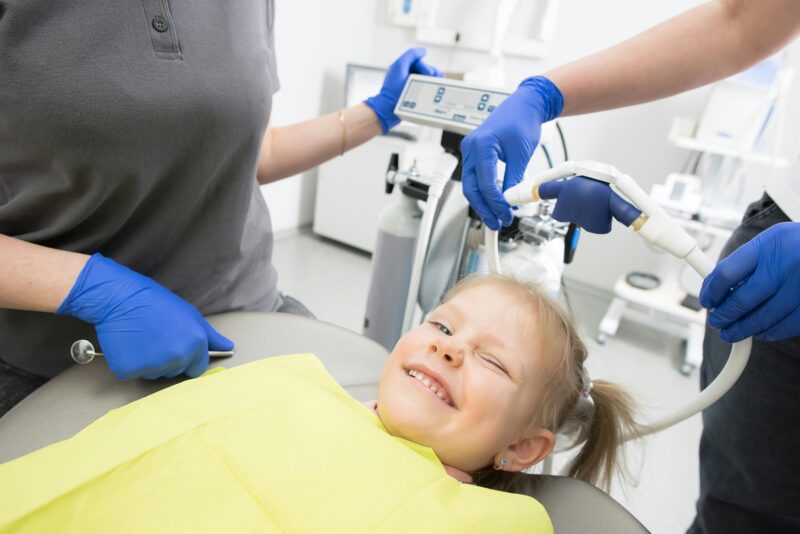
Many people feel unsure before a dental appointment. Some patients worry about discomfort. Others want to make sure they do the right things before arriving. A little preparation can make the visit easier and more comfortable.
Knowing how to prepare for a dentist visit helps the appointment run smoothly. Clean teeth help the dentist check your oral health clearly. A short list of symptoms or questions helps you remember what you want to discuss. Arriving prepared also helps the dental team focus on the care you need.
Why Preparing for a Dentist Appointment Matters
Preparation helps your dental visit run smoothly. It allows the dentist to focus on your oral health and identify any problems early. Small steps before the appointment can improve the quality of your care.
Clean teeth help the dentist see your gums and enamel more clearly. This makes it easier to check for plaque, tooth decay, gum disease, and other concerns.
Preparation also helps you communicate clearly with your dentist. Writing down symptoms, pain, or questions ensures nothing important is forgotten during the visit.
Many patients also feel calmer when they know what to expect. A clear plan before the appointment can reduce stress and help you feel more confident about your dental care.
What to Do Before Your Dentist Visit
A few simple steps can help your appointment run smoothly. Preparation helps your dentist assess your oral health and address any concerns quickly.
Brush and Floss Before Your Appointment
Brush and floss your teeth before leaving for the clinic. Clean teeth help the dentist see your gums and enamel clearly. This makes it easier to check for plaque, tooth decay, and gum problems.
Write Down Any Symptoms or Concerns
Take a moment to note any issues you have noticed. This helps you explain your concerns clearly during the visit.
Examples include:
- Tooth pain or sensitivity
- Bleeding gums
- Bad breath that does not improve
- Jaw pain or clicking
Bring Your Medical Information
Your dentist needs accurate health information to provide safe care.
Bring:
- A list of medications you take
- Details of medical conditions
- Your health fund information if you plan to claim
Arrive a Few Minutes Early
Arrive at least 5–10 minutes before your appointment. Early arrival allows time for forms and helps the appointment begin on schedule. It also gives you a moment to relax before treatment begins.
What Not to Do Before a Dentist Appointment
Some habits before a dental visit can make the examination harder or affect treatment. Avoid these mistakes so your appointment runs smoothly.
Do Not Skip Brushing
Brush and floss before you leave for your appointment. Clean teeth help the dentist check your mouth clearly. This step shows areas that may need attention.
Avoid Alcohol Before Your Visit
Alcohol can affect your body’s response to certain treatments or medications. It may also increase bleeding during some procedures. Water is the best choice before your appointment.
Do Not Ignore Pain or Symptoms
Tell your dentist about any discomfort or changes in your mouth. Even mild symptoms can point to early dental problems. Early treatment often prevents more serious issues.
Avoid Arriving Late
Late arrival can shorten your appointment or require a new booking. Arriving early helps the dental team give you the time and care you need.
How to Prepare if You Feel Nervous
Many people feel anxious before a dental visit. A few simple steps can help you stay calm and feel more in control during your appointment.
Choose an Appointment Time That Works for You
Book a time when you feel most relaxed. Many patients prefer morning appointments. This helps you complete the visit early and avoid worrying about it all day.
Tell the Dental Team About Your Anxiety
Let the dental team know if you feel nervous. Dentists support anxious patients every day. Clear communication helps the team adjust the pace of the appointment and explain each step.
Use Simple Relaxation Techniques
Slow breathing can help reduce tension. Take a deep breath through your nose and breathe out slowly through your mouth. Repeat this several times to help your body relax.
Bring Music or Headphones
Some patients find music helpful during treatment. Headphones can help you stay calm and focus on something familiar while the dentist works.
A supportive dental team will always aim to make your visit comfortable. Simple preparation and open communication can make a big difference in how you feel during the appointment.
How Parents Can Prepare Children for a Dentist Visit
Children often feel unsure about dental visits. Calm preparation can help them feel safe and comfortable.
Talk About the Visit in a Positive Way
Explain that the dentist checks teeth to keep them strong and healthy. Use simple and positive language. This helps your child understand the purpose of the visit.
Avoid Words That Create Fear
Words like “pain” or “hurt” can increase anxiety. Focus on the idea that the dentist helps keep teeth clean and healthy.
Choose an Appointment Time That Suits Your Child
Book a time when your child is usually calm and rested. Morning appointments often work well for younger children.
Bring a Comfort Item
A favourite toy or small comfort item can help your child feel relaxed. Familiar objects often reduce anxiety in new environments.
Stay Calm and Supportive
Children often respond to a parent’s mood. A calm and confident approach helps your child feel safe during the appointment.
Early positive experiences at the dentist help children build healthy habits and confidence with dental care.
What Happens During a Typical Dental Visit
A dental visit usually follows a clear and simple process. Understanding the steps can help you feel more relaxed when you arrive.
Dental Examination
The dentist checks your teeth, gums, and mouth for signs of problems. This includes checking for tooth decay, gum disease, and other oral health concerns.
Dental X-Rays (If Needed)
The dentist may take X-rays to see areas that are not visible during the exam. X-rays help detect issues between teeth or below the gum line.
Professional Cleaning
A dental clean removes plaque and tartar from your teeth. The hygienist or dentist also polishes the teeth and may apply fluoride to help protect enamel.
Discussion of Your Oral Health
After the examination, the dentist explains their findings. If treatment is needed, they will discuss the available options and answer any questions you may have.
Questions You Can Ask Your Dentist
A dental visit is a good time to ask questions about your oral health. Clear communication helps you understand your dental care and make informed decisions.
You may wish to ask questions such as:
- Are there any early signs of tooth decay or gum disease?
- Is my brushing and flossing technique effective?
- Do I need a professional clean or other treatment?
- Are there areas of my mouth that need extra care?
- How often should I schedule dental check-ups?
Your dentist can also give advice that suits your teeth, gums, and lifestyle. Asking questions helps you leave the appointment with a clear plan for maintaining healthy teeth.
Book Your Dental Visit at Dentistry on Coolum
Regular dental visits help protect your teeth and gums. Early care can prevent small problems from becoming larger issues.
The team at Dentistry on Coolum provides clear advice and supportive care for every patient. Dr Gohil and the team take time to listen to your concerns and explain each step of your treatment.
If you are ready to schedule your next check-up, contact Dentistry on Coolum to book an appointment. A simple visit today can help keep your smile healthy for years to come.
